
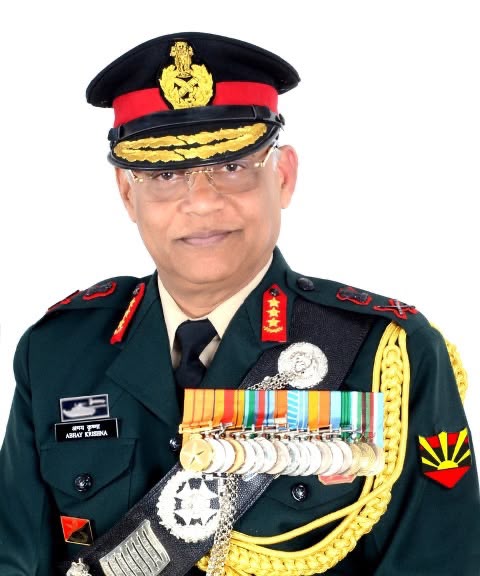
By Lieutenant General Abhay Krishna (Retd.)
India’s Agnipath recruitment scheme, launched in June 2022, marked a significant turning point in the modernisation of the country’s armed forces. Designed to create a younger, fitter, technologically capable and combat-ready military, the initiative transformed the relationship between India’s youth and its armed forces.
As the first batch of Agniveers approaches the completion of its four-year service tenure, the Government of India has introduced a transformative proposal for an additional two-year service period, based on institutional feedback, operational assessments and recommendations from senior military leadership.
This expanded framework seeks to balance national security requirements with the aspirations of young soldiers. By providing extended service opportunities, enhanced financial benefits, protection of seniority and additional pathways towards regular cadre recruitment, the revised Agniveer framework represents an important development in India’s defence recruitment policy.
The initiative recognises the dedication of young soldiers while enabling the armed forces to retain trained, experienced and highly motivated personnel.
Understanding the Expanded Agniveer Framework
Under the original Agnipath scheme introduced in 2022, candidates were recruited for a four-year service period. At the end of this tenure, up to 25 per cent of Agniveers were eligible for selection into the regular cadre of the armed forces, based on merit and organisational requirements.
Following four years of operational experience, the military leadership reportedly recommended retaining trained personnel for a longer duration, particularly when they had reached a higher level of professional competence.
The expanded framework introduces an additional two-year service option for Agniveers who wish to continue serving after completing their initial four-year tenure.
The proposed structure provides two distinct pathways:
* First pathway: Up to 25 per cent of Agniveers will be considered for direct absorption into the regular cadre after completing their initial four-year service.
* Second pathway: The remaining 75 per cent will have the option of undertaking an additional two-year service period.
* Regular cadre opportunity: After completing six years of service, eligible and interested Agniveers under the second pathway will be considered for regular cadre recruitment, subject to prescribed objective selection criteria.
This two-stage structure is intended to ensure better utilisation of trained military personnel while providing additional career opportunities to those who wish to continue serving the nation.
It also addresses the operational challenge of releasing trained soldiers prematurely, allowing the armed forces to benefit from their accumulated experience and professional skills.
Enhanced Financial Benefits and Economic Security
The expanded Agniveer framework also provides improved financial benefits, career opportunities and greater economic security for young personnel.
During the additional two-year service period, Agniveers will receive an enhanced fixed monthly salary package along with applicable allowances.
The proposed monthly salary structure is:
Service period Monthly salary
First year of extension ₹43,500
Second year of extension ₹47,500
Additionally, the government’s contribution towards the Seva Nidhi corpus during the extended service period has been increased to 70 per cent of the monthly salary package.
Those who choose to return to civilian life after completing six years of service will be eligible for a tax-free Seva Nidhi package of approximately ₹10.92 lakh, excluding accumulated interest, as outlined in the expanded framework.
Combined with their savings from the initial four years, this amount can provide substantial financial support for higher education, entrepreneurship, business opportunities and long-term family security.
Financial Compensation in Case of Death During Operational Duties
The framework also outlines financial assistance and compensation provisions for the families and next of kin of Agniveers who lose their lives while performing operational duties or during war.
The financial assistance package includes:
* Non-contributory life insurance: ₹48 lakh.
* Ex-gratia payment: ₹44 lakh.
* Salary for the unserved period: Full salary for the remaining duration of the four-year engagement, along with the expected Seva Nidhi contribution.
* Additional financial assistance: Approximately ₹8 lakh from sources such as the Armed Forces Battle Casualty Fund, along with support from welfare organisations.
These provisions are intended to provide financial assistance to the families of personnel who make the ultimate sacrifice in the service of the nation.
Protection of Seniority and Career Progression
One of the major concerns among young Agniveers has been whether undertaking an additional two years of service would adversely affect their seniority and future career progression.
The expanded policy framework addresses this concern by providing protection to their service seniority.
Agniveers inducted into the regular cadre after completing the additional two-year service period will be placed immediately below their batchmates who entered regular service after the initial four-year tenure.
This arrangement ensures that they will not become junior to personnel recruited in subsequent batches.
It is expected to protect their career progression, promotional opportunities and professional standing within the armed forces.
Nationwide Expansion and Opportunities for Women
The Agniveer initiative has expanded the geographical reach of military recruitment, taking the selection process to districts across the country.
The recruitment framework has helped establish a more transparent, standardised and merit-based selection mechanism.
Another significant development has been the opening of opportunities for women Agniveers in different branches of the armed forces.
This has helped remove traditional barriers and enabled thousands of young women to pursue their ambition of wearing the military uniform and serving the country.
The initiative represents an important step towards creating a more inclusive and representative defence force.
A Government That Listens and Responds to Feedback
The ability to review policies, incorporate operational experience and introduce necessary improvements is an important characteristic of effective governance.
The expansion of the Agniveer framework is presented as an example of policy evolution based on institutional feedback and practical experience.
When operational commanders and military institutions highlighted the advantages of retaining trained soldiers for six years, the administration considered their recommendations.
A longer service period can strengthen operational preparedness, improve regimental cohesion and ensure that the armed forces retain experienced personnel.
Similar policy changes have also been witnessed in other areas of governance
These include the consolidation of 29 complex and outdated labour laws into four modern labour codes following extensive consultations, reforms in GST rates covering more than 400 items under the GST 2.0 framework, and initiatives aimed at decriminalisation.
India’s decision to withdraw from the Regional Comprehensive Economic Partnership (RCEP) negotiations in 2019 and subsequently focus on targeted bilateral Free Trade Agreements (FTAs) was another significant policy decision aimed at protecting domestic industries, particularly Micro, Small and Medium Enterprises (MSMEs).
The Agniveer expansion reflects a similar approach of reviewing institutional experience and making changes according to practical requirements.
Interestingly, when the Agnipath scheme was initially introduced, concerns were expressed within sections of the armed forces about whether the required level of military training and operational competence could be achieved within a relatively short period.
Consequently, the original framework provided for the selection of only the best-performing 25 per cent of Agniveers for regular cadre absorption.
However, after four years of experience with the scheme, senior military leadership reportedly expressed the need to retain a greater number of trained personnel.
Providing the remaining 75 per cent with an optional additional two-year service period offers more time for professional development and creates another opportunity to pursue a long-term military career.
This approach seeks to address the organisational requirements of the armed forces while preserving individual choice and career flexibility.
An Encouraging Message for India’s Young Agniveers
The expanded Agniveer framework sends an important message to young men and women who have chosen to wear the military uniform.
They represent a modern and confident India. Their enthusiasm, technological abilities, discipline, dedication and operational commitment have already earned them recognition and respect.
The revised framework is intended to demonstrate confidence in their abilities while providing additional career opportunities, financial support and greater security.
Whether they continue their journey in the regular cadre or pursue leadership opportunities in civilian life, their experience as Agniveers can equip them with valuable professional skills, leadership qualities and a strong sense of national responsibility.
The Agniveer initiative is not merely about building careers; it is also about strengthening India’s defence preparedness and shaping the country’s future.
Recruitment of Nepali Gorkhas: An Important Issue
Gorkha soldiers have been an integral part of the Indian Army for more than two centuries.
Between 1815 and 1947, they served in the British Indian Army. Following India’s independence, the country agreed to continue recruiting Nepali soldiers into its armed forces, maintaining the long-standing relationship and friendly ties with Kathmandu.
Gorkha soldiers have established a remarkable legacy of bravery, sacrifice and military service.
However, according to the author, no Gorkha soldier from Nepal has been recruited into the Indian Army during the past four years.
One of the major reasons has been the introduction of the Agnipath scheme in June 2022, which initially offered a four-year service tenure.
Concerns arose over the future career prospects of trained Nepali soldiers after the completion of their limited service period.
This situation has also raised questions regarding long-term recruitment arrangements and the security implications of disrupting a historic military relationship.
With the introduction of the expanded service framework, there is hope that the Government of Nepal will consider the changes an opportunity to restart the recruitment process.
The Indian Government should proactively engage with Nepal and communicate the details of the revised framework.
According to the author, the extended service provisions could help address concerns about employment continuity and provide a more sustainable recruitment arrangement, similar in certain respects to the earlier system.
Conclusion: A Framework Designed to Benefit Both Soldiers and the Armed Forces
The expanded Agniveer framework seeks to achieve two important objectives.
First, it aims to maintain a younger, modern, physically fit and cost-effective military while respecting the career aspirations and welfare of its personnel.
Second, it seeks to strengthen the armed forces through clearer career pathways, enhanced financial support, protected seniority and extended service opportunities.
As India moves towards the vision of Viksit Bharat 2047, the country needs armed forces that are younger, fitter, technologically advanced and operationally prepared to safeguard its borders.
The expanded framework seeks to contribute towards this objective while recognising the dedication and sacrifices of young Agniveers.
The message to India’s young soldiers is clear: move forward with pride, confidence and commitment, knowing that the nation recognises your service and stands behind those who dedicate their lives to protecting the country.
About the Author
Lieutenant General Abhay Krishna (Retd.)
PVSM, UYSM, AVSM, SM(G), VSM, ADC
Former Army Commander of the Indian Army’s South Western, Eastern and Central Commands.
The views expressed in this article are personal.
Editorial note: This English version preserves the arguments, figures and claims in the supplied Marathi article. Since the material discusses significant recruitment-policy changes, the proposed two-year extension, salary structure and 100% regular-cadre selection pathway should be independently verified against an official Government of India or Ministry of Defence notification before publication as confirmed policy. The article is presented as the author’s viewpoint, not as an independently verified government announcement.

Comments ( 0)
Leave a Comment
No comments yet. Be the first to comment!