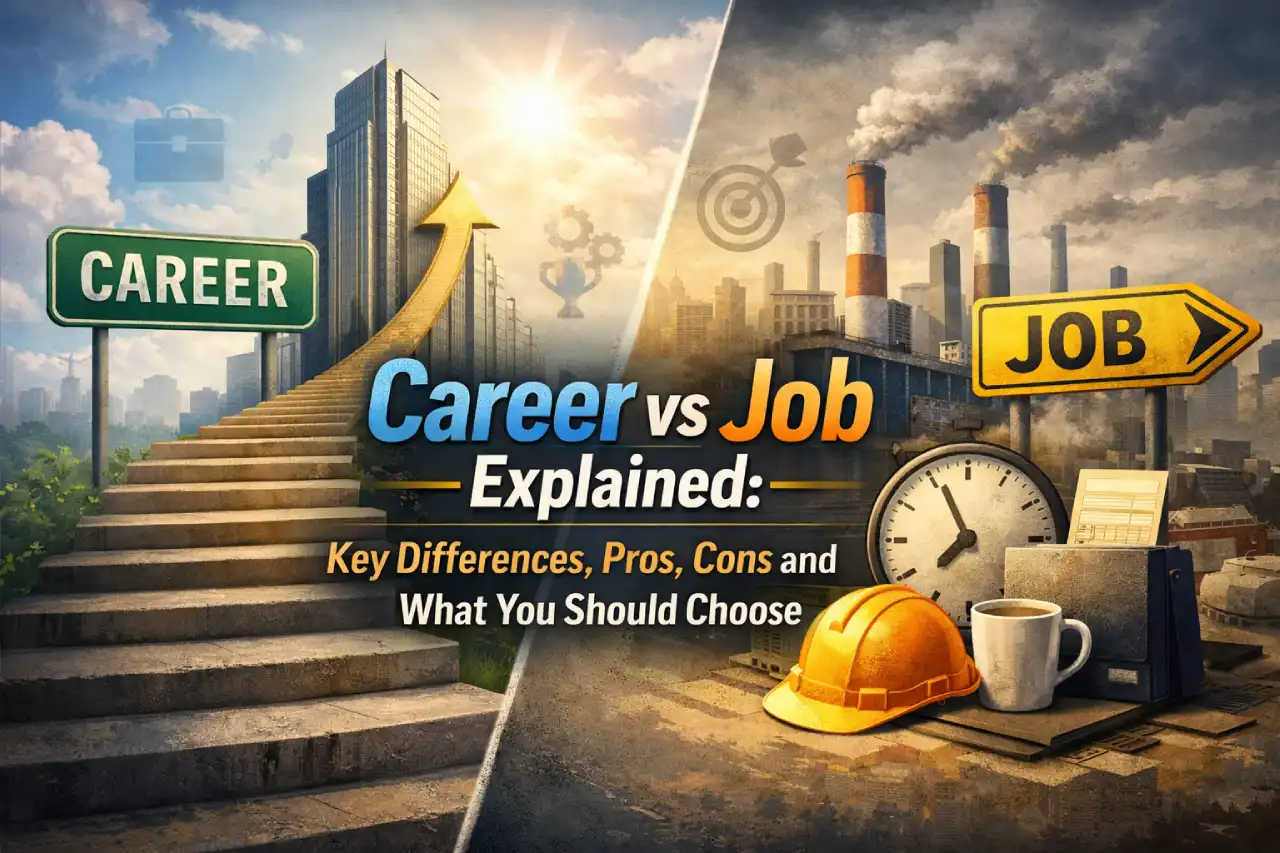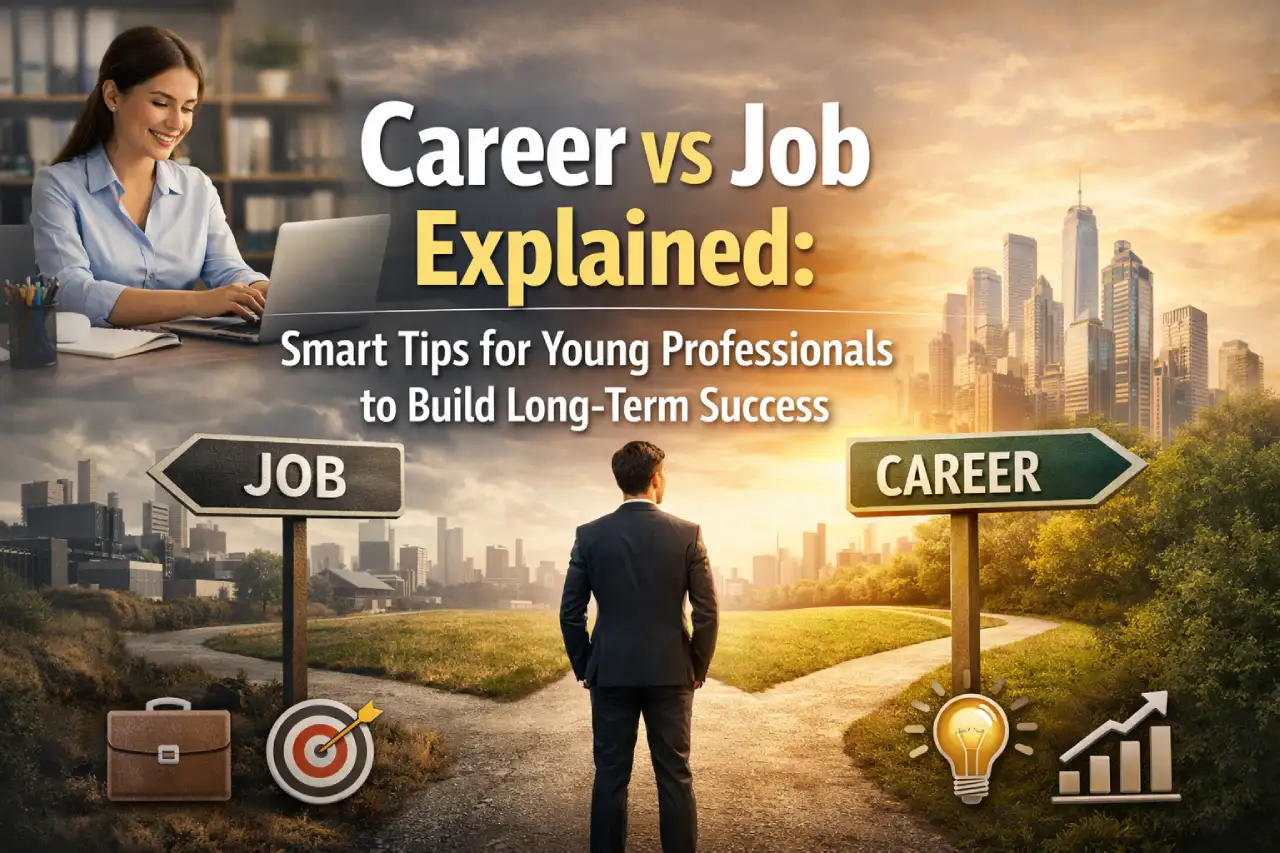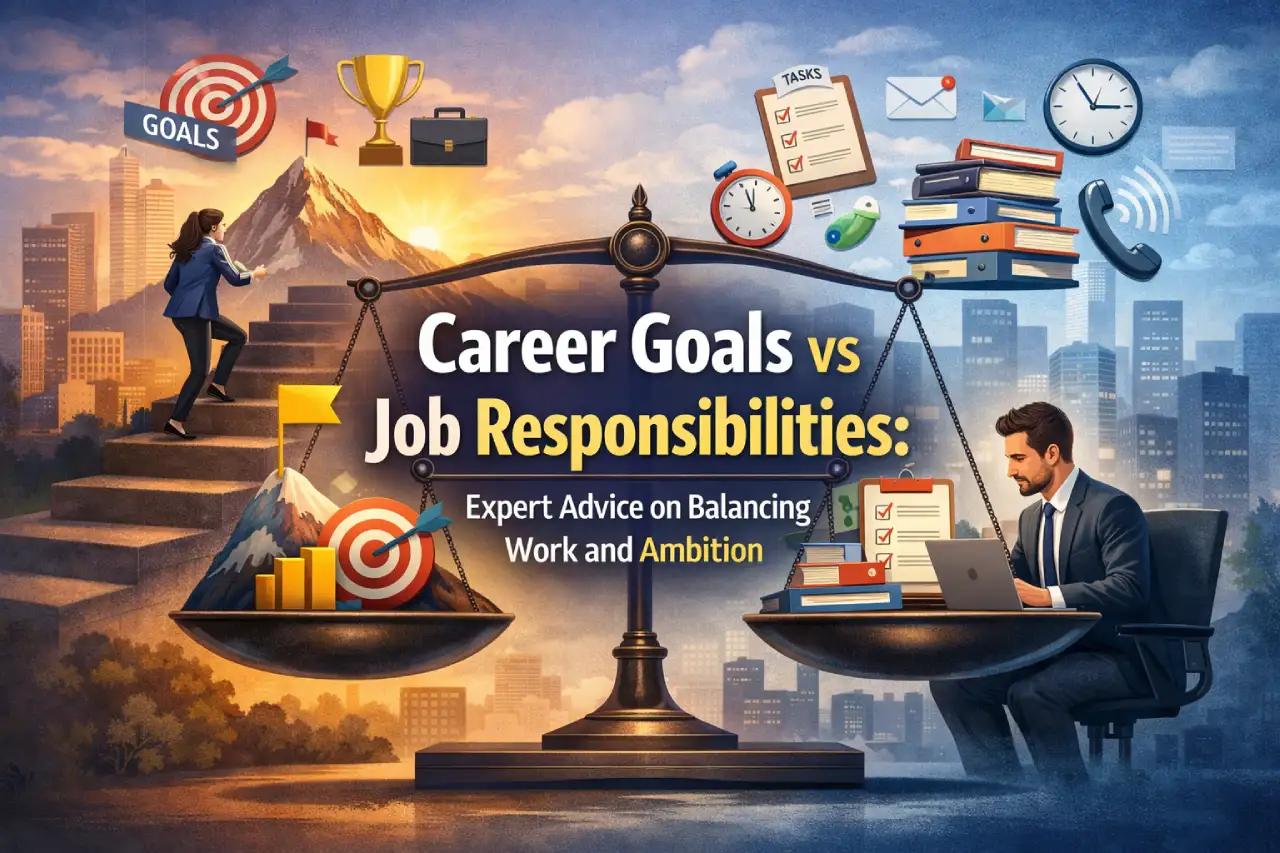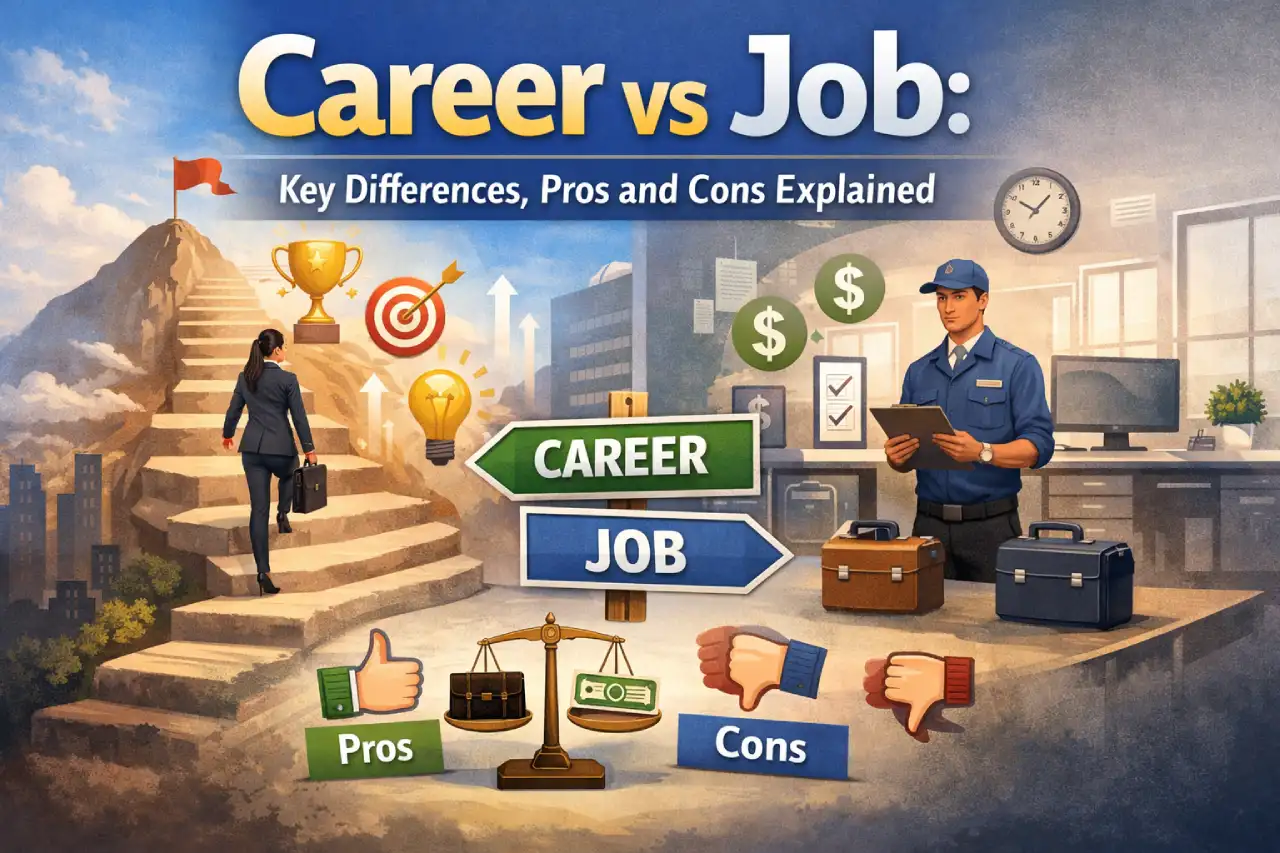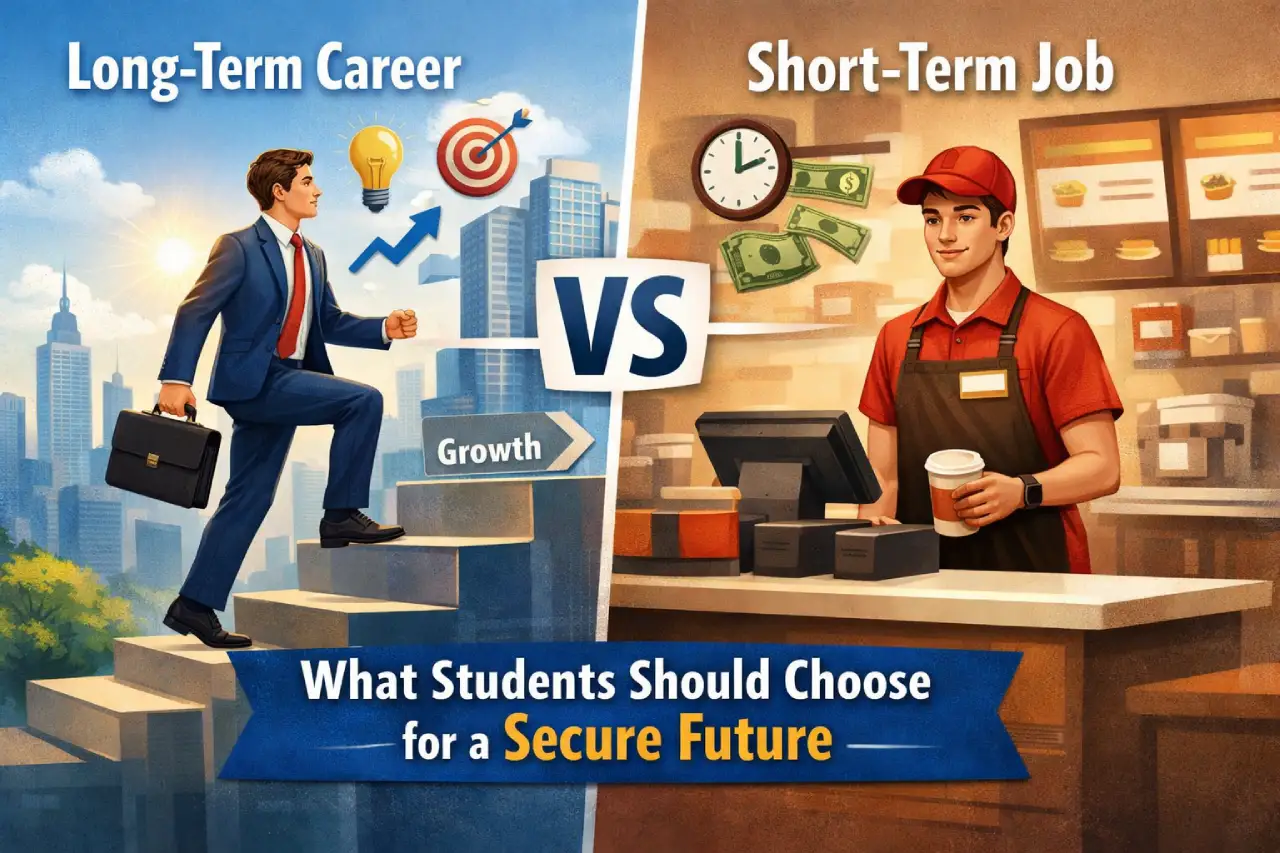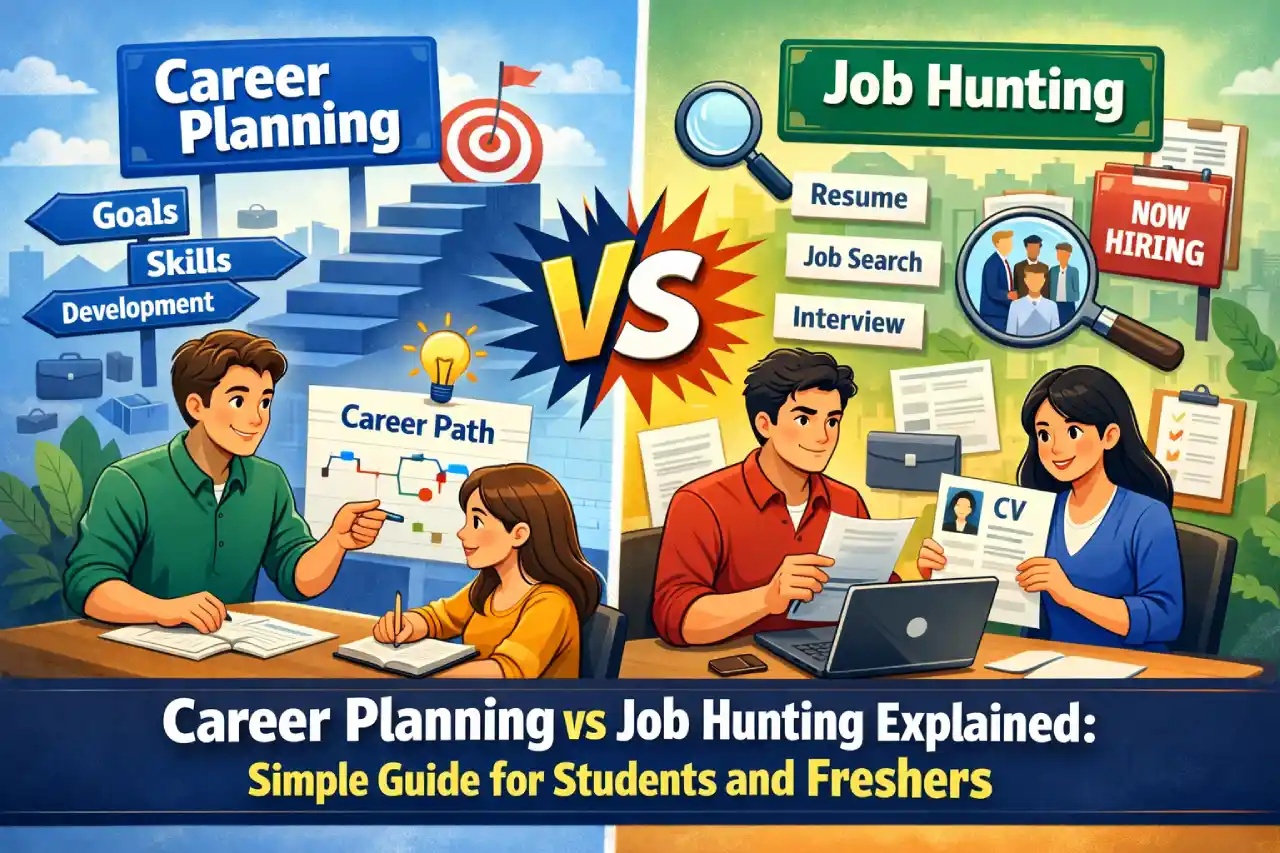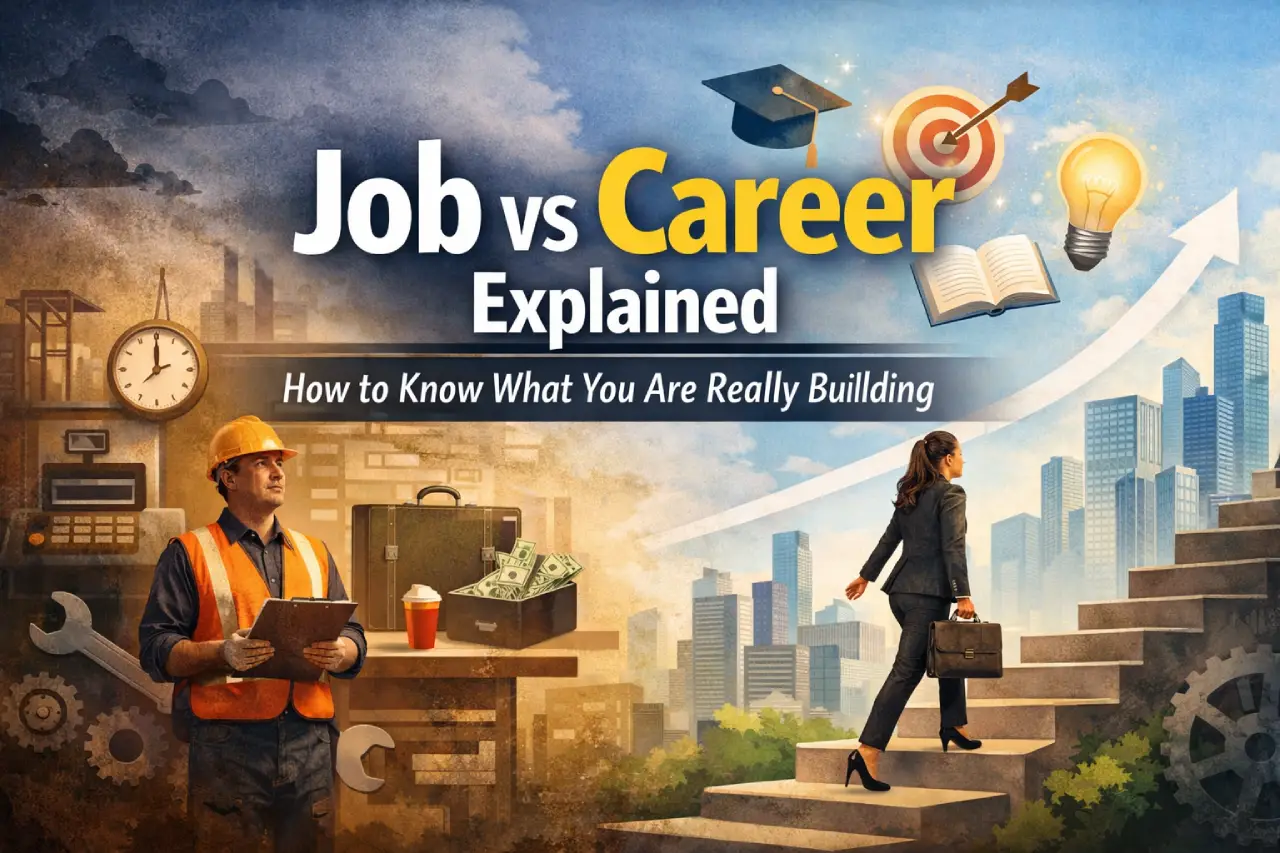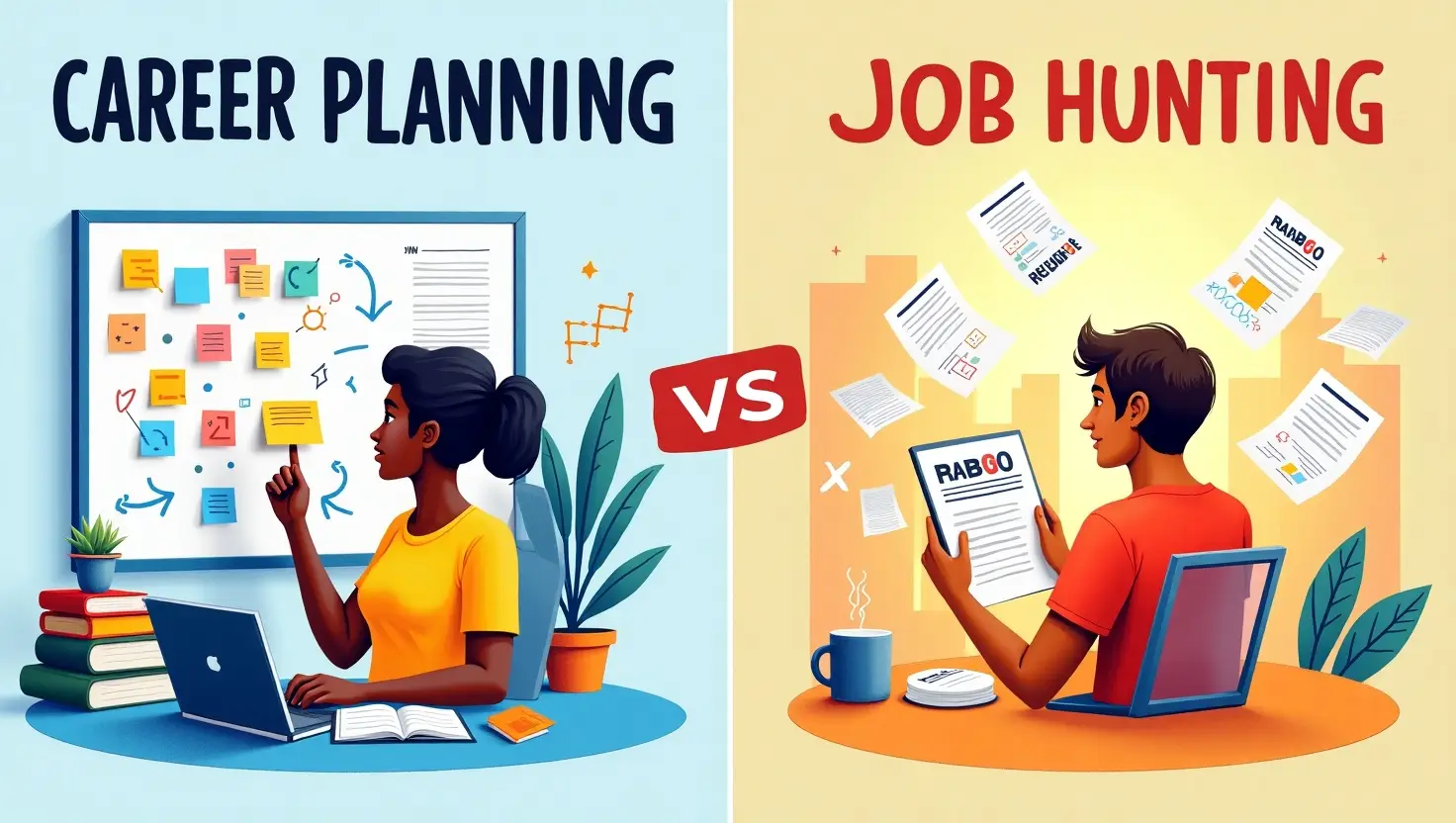
Most people confuse job hunting with career planning, but they are not the same. Job hunting is often reactive—done when someone needs a job immediately—while career planning is a long-term, proactive process that involves setting goals, upskilling, and preparing for future roles. In today’s competitive job market, experts say those who plan their careers have a better chance of reaching their desired positions, earning higher salaries, and finding job satisfaction.
I’m writing this because I’ve seen many students and working professionals chase one job after another without a clear direction. The pressure to earn or to ‘settle down’ often pushes people to apply for whatever is available rather than what’s right for them. But building a career isn’t about luck—it’s about strategy. Whether you’re in college or already working, understanding the difference between career planning and job hunting can give you a serious edge. This article breaks down both concepts and offers expert-backed tips on how to think long-term and act smartly.
Career Planning: What It Really Means
Career planning is a process that helps you define your professional goals and map out a clear path to achieve them. It starts with self-assessment and continues with strategic action steps.
Key Elements of Career Planning:
- Self-analysis: Understanding your strengths, weaknesses, values and interests
- Goal setting: Short-term and long-term career goals
- Skill development: Identifying the skills required for your target role and working on them
- Networking: Building genuine relationships in your field
- Monitoring progress: Regularly checking in on your goals and making adjustments
Career planning isn’t just for students. Even professionals should re-evaluate their plans every few years to stay updated with market trends and personal interests.
Job Hunting: The Urgent Alternative
Job hunting is often the next step after graduation or job loss. It involves searching and applying for vacancies, preparing resumes, attending interviews, and accepting offers.
When Job Hunting is Needed:
- After finishing college or a professional course
- After quitting or losing a job
- When switching industries or locations
- For internships and short-term gigs
While job hunting focuses on the now, it may not guarantee that the job aligns with your long-term goals. That’s where the trouble starts—many end up feeling stuck or unsatisfied just a few months into their new role.
Career Planning vs Job Hunting: What Experts Say
| Factor | Career Planning | Job Hunting |
|---|---|---|
| Approach | Strategic & long-term | Tactical & immediate |
| Focus | Growth and alignment | Employment and income |
| Risk | Lower burnout, higher satisfaction | Higher burnout, frequent switches |
| Examples | Becoming a Product Manager over 5 years | Applying for a Data Entry job immediately |
| Recommended for | Everyone (students to professionals) | Those needing a job quickly |
Experts from top career platforms and HR firms recommend starting with career planning early. According to a report by LinkedIn, professionals who plan their careers tend to stay longer in companies, grow faster, and are more engaged at work.
How to Shift from Job Hunter to Career Planner
If you’re stuck in job-hopping mode, here’s how you can shift to a more focused path:
- Create a career roadmap: Where do you want to be in 5 or 10 years?
- Build relevant skills: Join courses, get certifications, and learn from industry leaders
- Find a mentor: Someone who can guide you and help you avoid common mistakes
- Don’t chase salaries: Focus on learning and experience; money will follow
- Be consistent: Keep revisiting your career plan every 6–12 months
Final Thoughts
There’s nothing wrong with job hunting when you need work. But if you want to grow, switch fields, or find work that truly suits you, career planning is the way forward. It may take more time and thought in the beginning, but it saves you from repeated job dissatisfaction and career confusion in the long run. So the next time you find yourself applying for random jobs, pause and ask yourself—where am I really headed? That question alone can change everything.