JOIN WHATSAPP
STORIES

From Beer Brewing to Adventure Tourism: How Hospitality Is Changing Its Game in 2025

From beer brewing to adventure tourism: Hospitality's bold new era

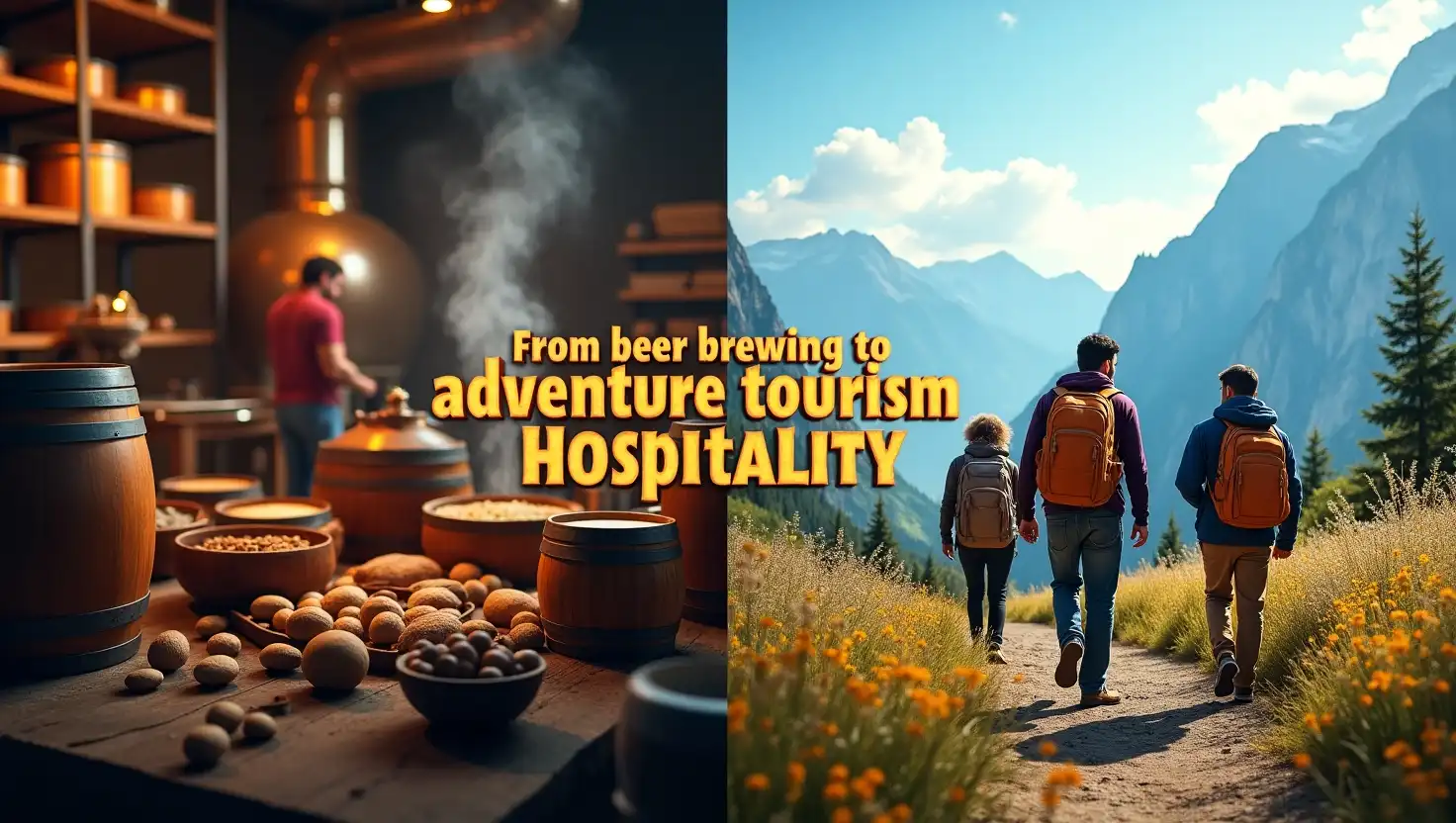
The hospitality industry is stepping into a bold new era, no longer limited to hotel check-ins and restaurant service. From craft beer brewing to adventure tourism and luxury wellness retreats, the sector is opening doors to unique and niche career paths. Whether it’s managing a vineyard resort in Nashik or leading treks in the Himalayas, hospitality now includes far more than just traditional roles in front offices or kitchens.

I chose this topic because the idea of a career in hospitality has changed drastically. Many students still think it only means being a waiter or a chef, but there’s a growing world of opportunities that combine passion, creativity, and travel. India’s hospitality and tourism industry is booming post-pandemic, and there’s demand for trained professionals in newer, more exciting areas. From beer brewing to curating sustainable rural travel, there’s something for everyone—from adventure lovers to food and beverage geeks. This article is important for students and parents to understand that hospitality now overlaps with fields like tourism, entrepreneurship, sustainability, and even digital media.

What’s New in Hospitality?

Here are some areas where the hospitality industry is evolving in 2025:

  • Craft Beer Brewing & Distilling: With the rise of microbreweries in cities like Bengaluru, Pune and Delhi, hospitality courses now include training in brewing techniques, beverage curation, and bar management.
  • Adventure and Eco-Tourism: Jobs now range from trekking guides and zipline operators to eco-resort managers in remote, scenic locations. These roles often combine environmental awareness with hospitality skills.
  • Luxury and Wellness Retreats: Resorts offering yoga, Ayurveda, and detox packages are hiring wellness consultants, therapists, and operations managers who understand health tourism.
  • Culinary Storytelling & Food Entrepreneurship: Beyond being chefs, professionals now explore avenues like starting pop-up restaurants, curating food trails, or building food-tech startups.
  • Sustainable and Rural Tourism: With travellers preferring authentic and eco-friendly experiences, professionals who can manage homestays, organise rural tourism packages, and work with local communities are in demand.
  • Digital Hospitality Roles: Managing social media, content creation, digital marketing, and reputation management for hotels and restaurants is another emerging space.

New-Age Courses and Skills in Demand

Several institutions are upgrading their hospitality curriculums to match industry needs:

  • Courses in wine tasting, beer brewing, and beverage design
  • Certifications in eco-tourism, wilderness safety, and sustainability
  • Event and festival management for cultural tourism
  • Digital marketing for hospitality businesses

Soft skills like communication, creativity, people management, and crisis handling remain as important as ever.

What Does This Mean for Students?

If you’re someone who loves travelling, food, people, or storytelling, hospitality now offers far more exciting roles than before. You don’t have to stick to just hotel chains. You can work at a wildlife lodge, a Himalayan hostel, a luxury cruise, or even a food startup. Institutions like IHM, IIHM, and private hospitality schools are increasingly collaborating with industry leaders to bring in these real-world skills.

Final Word

The hospitality industry in 2025 is bold, diverse, and full of surprises. It’s a career option for the curious and adventurous—those who love people and experiences. Whether you want to brew craft beer in Goa, manage treks in Manali, or build a digital brand for a boutique hotel, the opportunities are endless. With the right training and a passion for experience-driven work, you can turn your interest into a thriving career.

Leave a Comment

End of Article

Career vs Job Explained Clearly: Key Differences, Examples and How to Choose the Right Path

Career vs Job Explained Clearly: Key Differences, Examples and How to Choose the Right Path

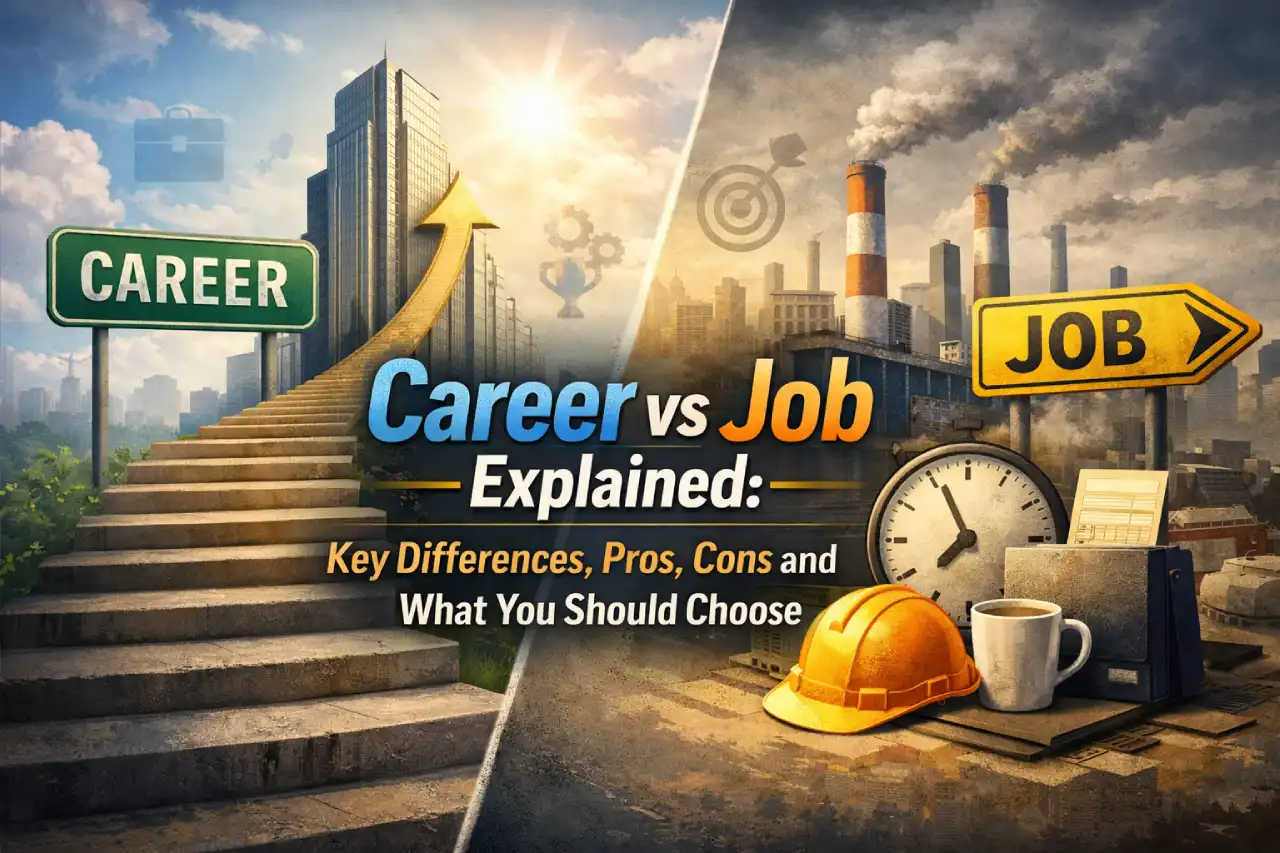
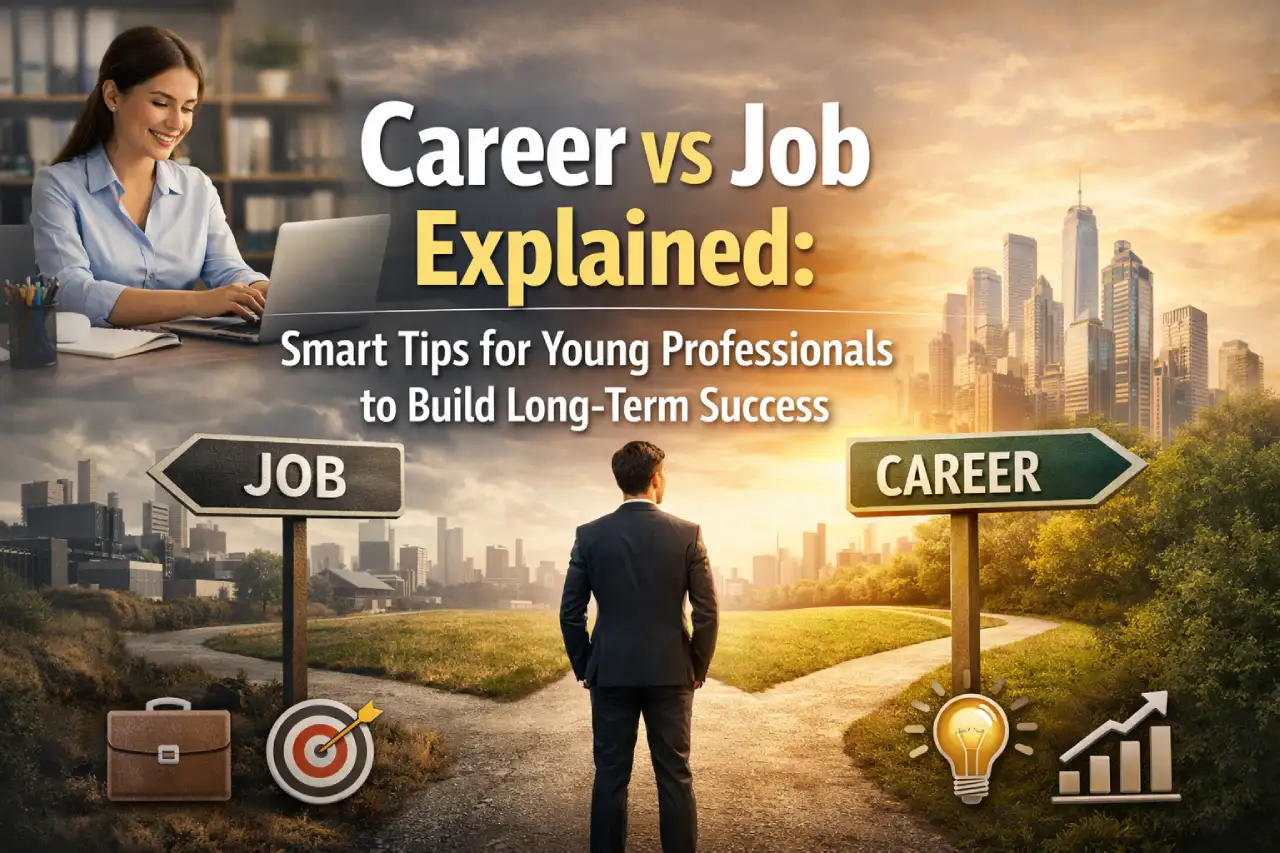
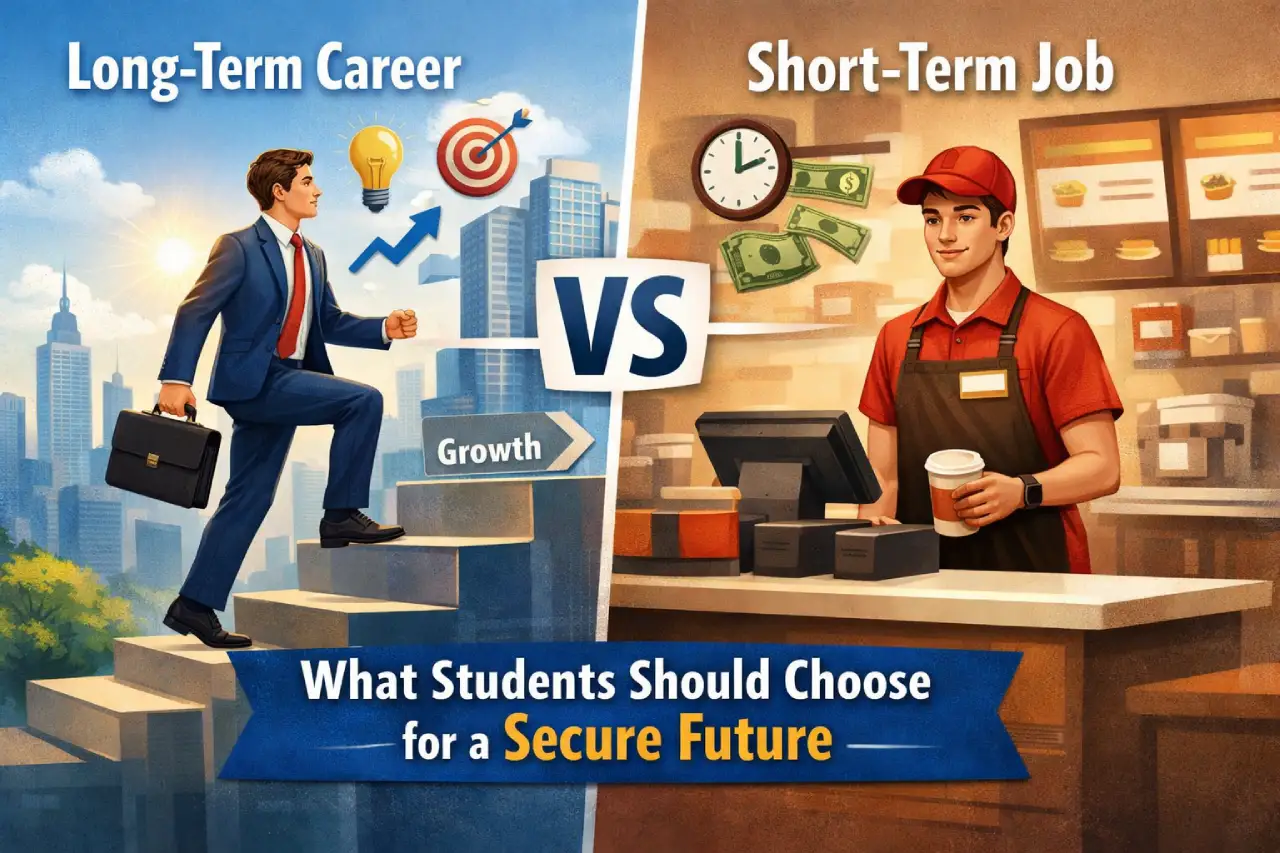
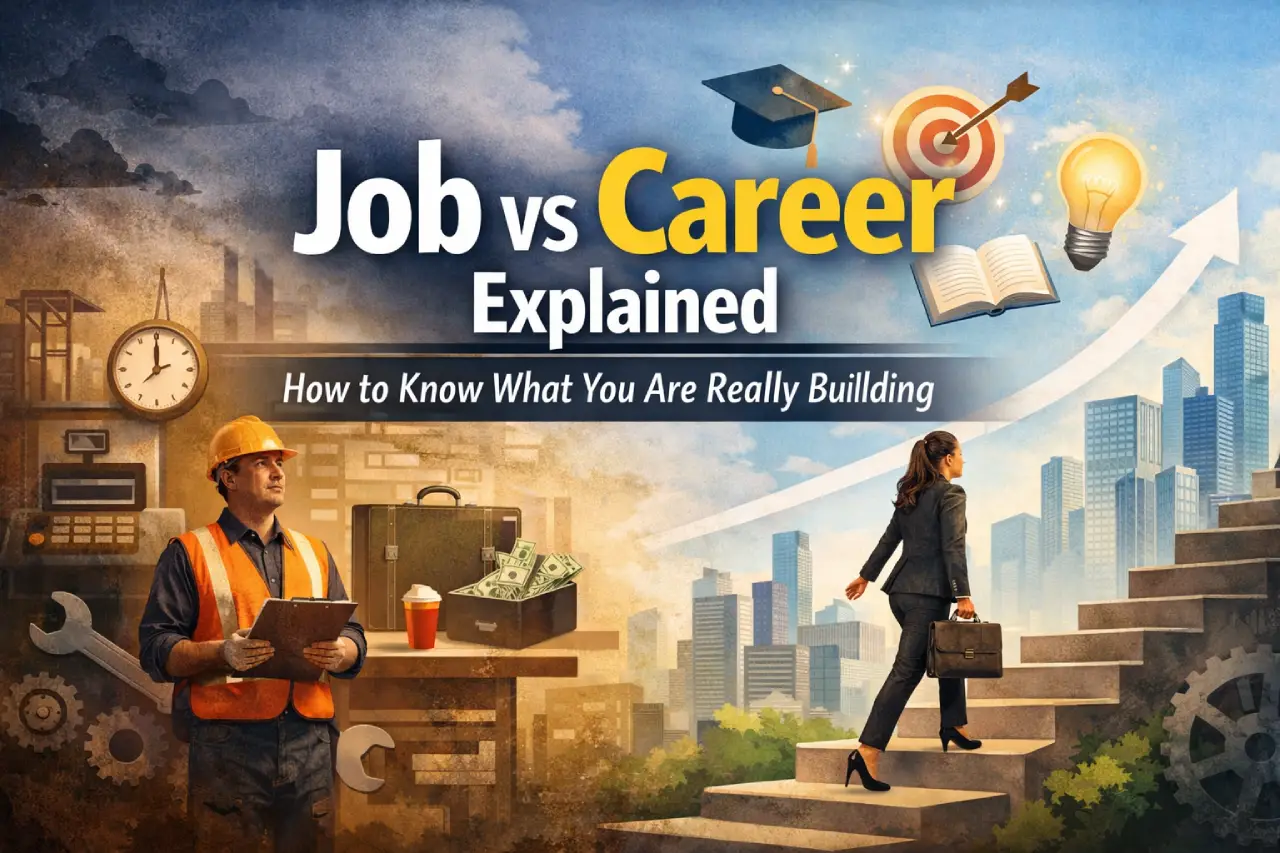
If you are confused between a job and a career, you are not alone. Many people use these two words interchangeably, but they actually mean different things. A job is something you do to earn money, usually for a short-term purpose, while a career is a long-term journey built around your skills, interests, and goals. Understanding this difference is important, especially if you are planning your future or thinking about what you really want to achieve in life.

I am writing about this because I have seen many students and even working professionals struggle with this confusion. Some people jump from one job to another without direction, while others feel stuck because they are not sure what they are working towards. Knowing the difference between a job and a career can help you make better decisions, stay focused, and build a path that gives both financial stability and personal satisfaction.

What is a Job

A job is a role where you work for a company or organisation in exchange for money.

Key features of a job:

  • Short-term focus
  • Mainly done to earn income
  • Limited connection with long-term goals
  • Fixed responsibilities
  • Less emphasis on growth or passion

For example, working as a cashier, delivery executive, or temporary office assistant can be considered a job.

What is a Career

A career is a long-term professional journey where you grow, learn, and build your identity over time.

Key features of a career:

  • Long-term vision
  • Focus on growth and development
  • Connected with your interests and skills
  • Offers progression and opportunities
  • Builds expertise over time

For example, becoming a teacher, engineer, doctor, or writer is part of a career path.

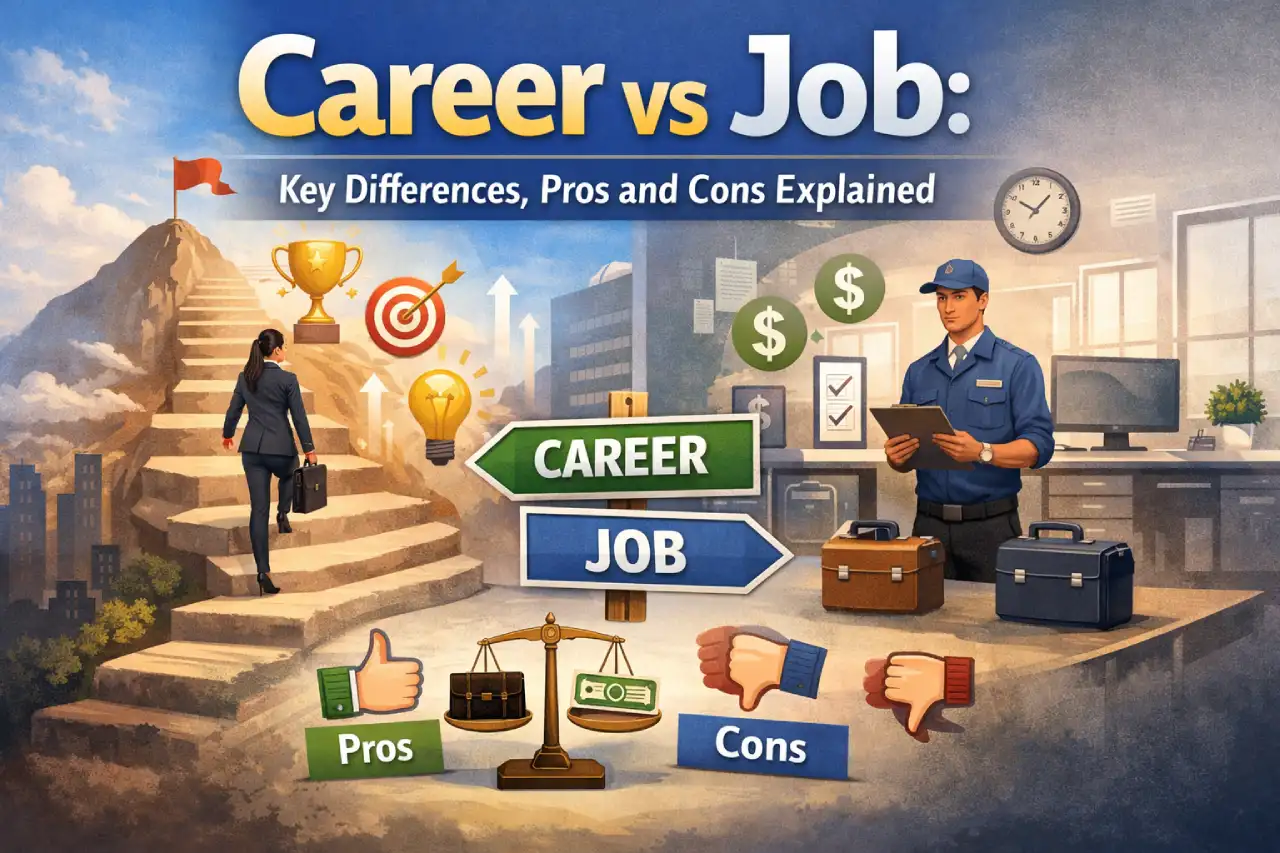
Career vs Job: Key Differences

Here is a simple comparison to understand the difference clearly:

AspectJobCareer
DurationShort-termLong-term
PurposeEarn moneyBuild future
GrowthLimitedContinuous
MotivationSalaryPassion + growth
StabilityTemporaryMore stable over time

From my perspective, a job can be a part of your career, but not every job leads to a meaningful career.

Can a Job Become a Career

Yes, a job can turn into a career if you approach it with the right mindset.

  • If you learn new skills in your job
  • If you grow within the same field
  • If you set long-term goals

For example, starting as a junior employee and growing into a manager or expert can turn a job into a career.

Why Understanding the Difference Matters

Knowing the difference can help you:

  • Make better career decisions
  • Avoid feeling lost or stuck
  • Choose jobs that align with your goals
  • Plan your future more effectively

In my opinion, this clarity can save you years of confusion and frustration.

How to Choose Between a Job and a Career

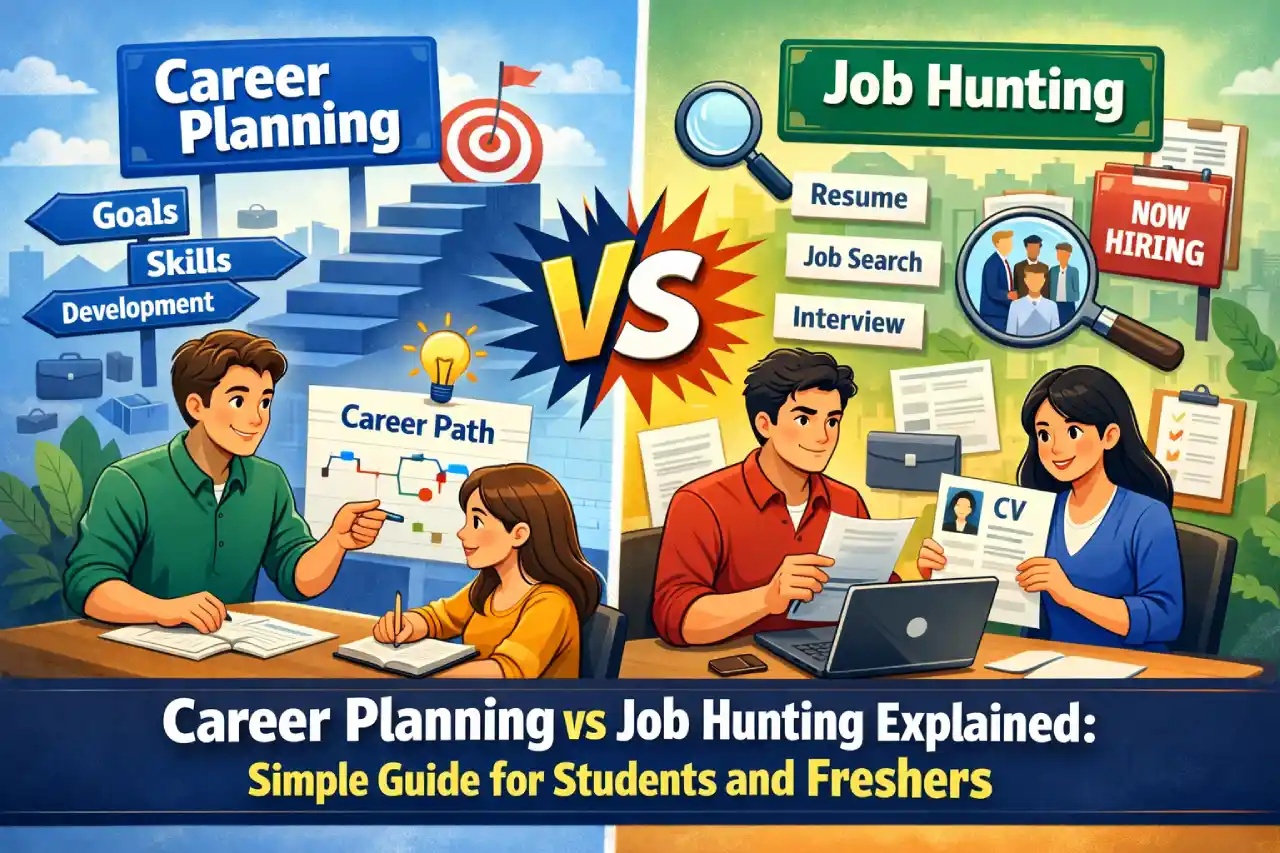
If you are just starting out, it is okay to take a job. But over time, you should think about building a career.

Ask yourself:

  • What are my interests and strengths
  • Where do I see myself in 5 or 10 years
  • Am I learning something valuable in my current role
  • Does this job help me grow

Your answers will guide your decisions.

Common Mistakes People Make

Many people unknowingly make these mistakes:

  • Choosing jobs only based on salary
  • Not planning long-term goals
  • Ignoring skill development
  • Staying in comfort zones for too long

From what I have seen, avoiding these mistakes can make a big difference in your journey.

Tips to Build a Strong Career

If you want to move from a job mindset to a career mindset, here are some simple tips:

  • Keep learning and upgrading your skills
  • Set clear long-term goals
  • Network with people in your field
  • Take calculated risks
  • Stay consistent and patient

Building a career takes time, but it is worth the effort.

Leave a Comment

End of Article

Loading more posts...