


In today's world, education is not limited only to reading books, taking exams, and securing good grades. A key objective of a modern education system is to shape students in a way that enables them to face life's various challenges and make sound decisions.
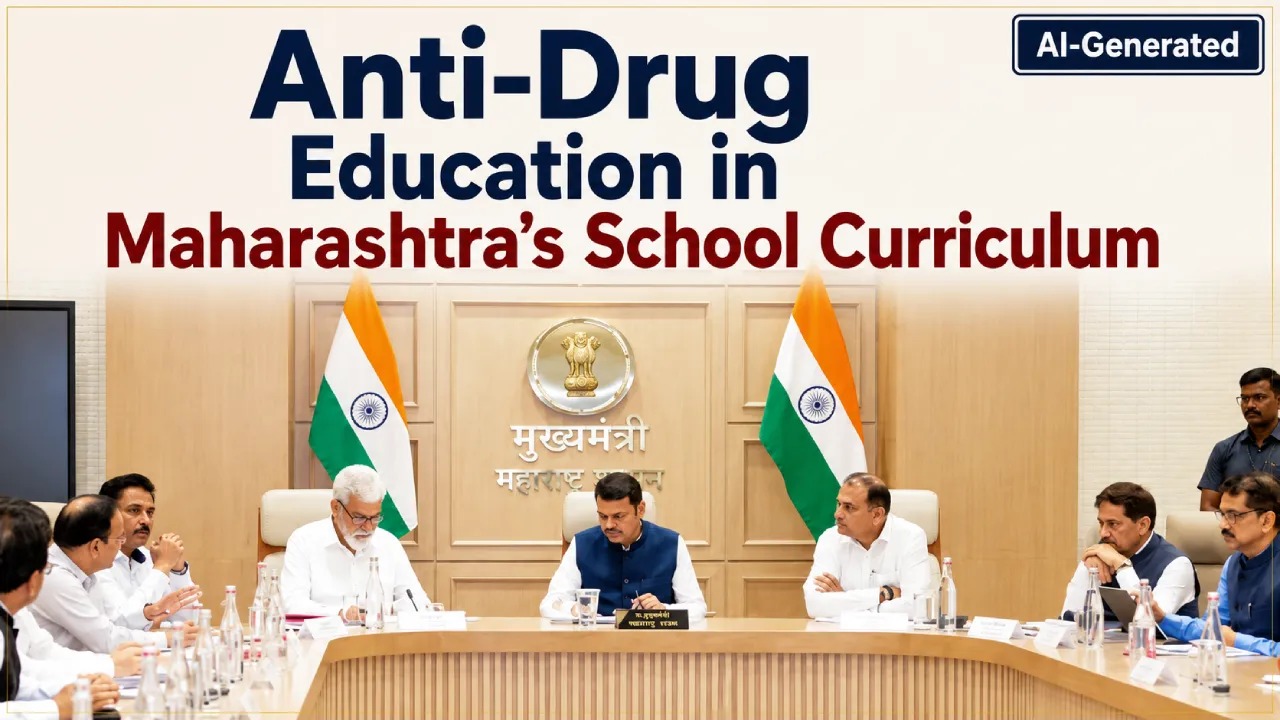
Among growing concerns regarding the risk of drug abuse among the youth, the Maharashtra government has taken a significant step in school education. The state government has decided to incorporate lessons on anti-drug awareness and de-addiction into the school curriculum.
Maharashtra Chief Minister Devendra Fadnavis recently announced this significant decision during a review meeting of the School Education Department. He directed the concerned officials to incorporate lessons raising awareness about the harmful effects of drugs into the school curriculum.
The government's objective is for students to gain a proper understanding of the dangers of drug addiction from an early age and to be able to keep themselves away from such traps in the future.
The government believes that raising awareness beforehand is far more effective than trying to tackle drug addiction after it has already set in.
Through these plans, students will learn about the physical and mental harms of drug abuse, how to cope with peer pressure, and the importance of a healthy lifestyle. They will also gain insights into strategies for making sound decisions and understand the value of self-confidence and self-control.
Alongside the curriculum revision, a state-wide 'Drug-Free School' campaign will also be launched. Under this plan, anti-drug advisory committees, counselling and mental support centres, student awareness programs, and health and wellness activities will be established in every school. Additionally, measures will be taken to raise awareness about cyber fraud.
Maharashtra currently manages one of the largest education systems in the country. Some key statistics regarding the state's education sector include: a total of over 1,08,065 schools, approximately 2.20 crore students, a student-teacher ratio of 28:1, and around 35 lakh students benefiting under the RTE Act. Additionally, Maharashtra has secured the second position in the national Performance Grading Index (PGI) 2.0.
Additionally, the government has launched the 'Super 100' scheme to assist meritorious students from rural areas in preparing for competitive examinations. Under this plan, 100 talented students are selected from each district to receive specialised training for exams such as NEET and JEE, thereby providing rural students with access to quality coaching. This effort aims to bridge the educational divide between urban and rural areas.
This action is not only about raising awareness about drugs; rather, it is part of a broader plan to ensure the physical, mental, and social development of students.
I believe that efforts to build awareness essential for safeguarding future generations should begin at the school level. Therefore, by integrating this new action with counselling, teacher training, digital education, and overall educational development, it can play a vital role in making the education system tougher and student-centric.


Comments ( 0)
Leave a Comment
No comments yet. Be the first to comment!