

A powerful Independence Day tribute to courage, sacrifice and the soldiers who guard India’s frontiers
LEH/KARU: On the occasion of Independence Day, the newly inaugurated Trishul War Museum at Karu in Leh stands as a powerful symbol of India’s military valour and the supreme sacrifice of its soldiers. Established by the Indian Army in collaboration with the Maharashtra Government, the museum has been developed with ₹3 crore in funding from the state government.
The museum was inaugurated on Tuesday in a solemn ceremony attended by the wives and family members of soldiers who made the supreme sacrifice during the Galwan Valley clash of June 2020.
A tribute to the heroes of Galwan
On the night of 15 June 2020, Indian and Chinese troops clashed near PP 14 in the Galwan Valley. With firearms prohibited under the prevailing agreements, soldiers engaged in close combat using stones, sticks and other weapons.
Twenty Indian soldiers were martyred in the clash, while several others were injured. The bodies of the fallen soldiers were recovered from the freezing waters of the Galwan and Shyok rivers.
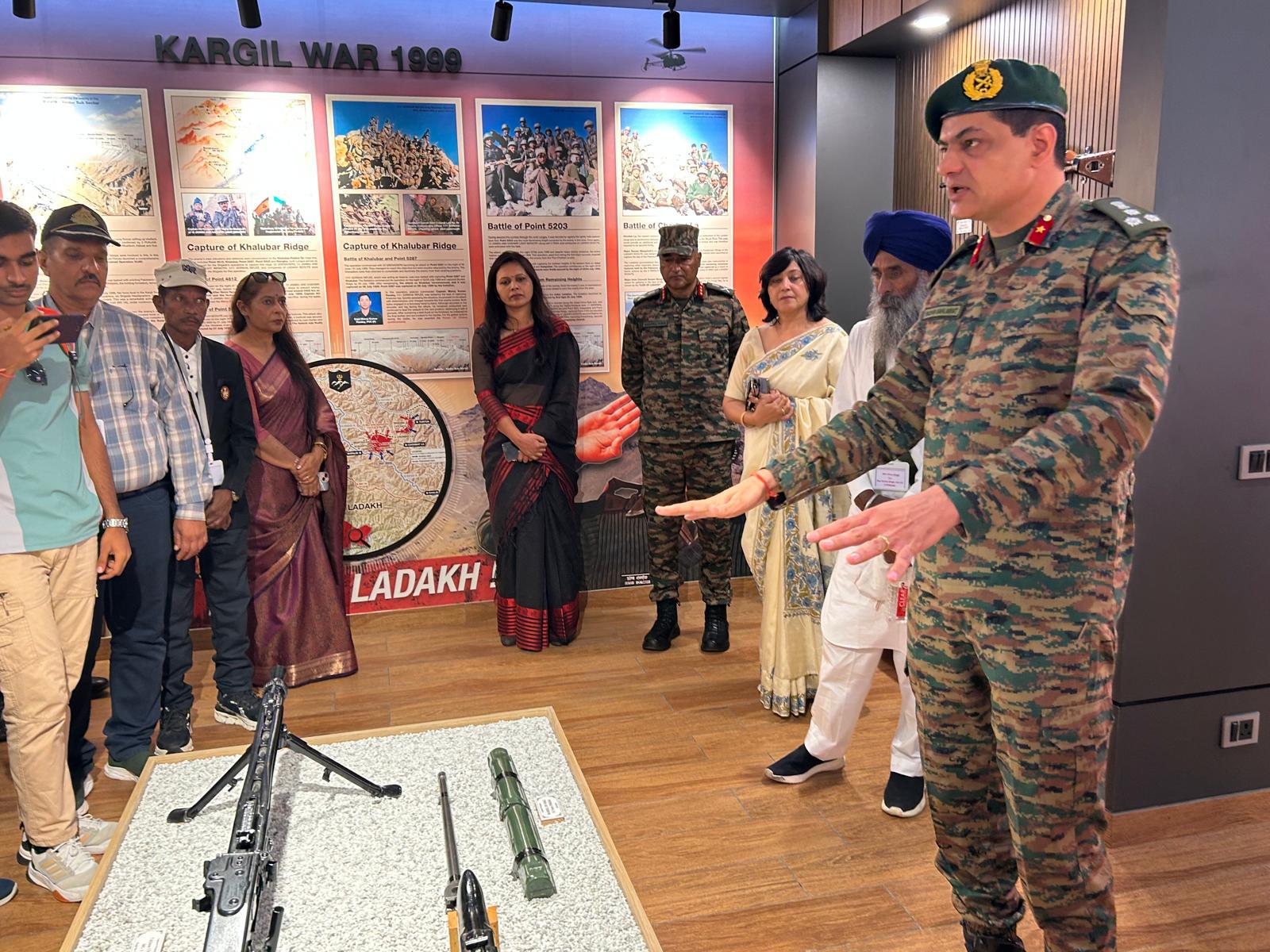
The museum presents this chapter of India’s recent military history through photographs, accounts of bravery and displays documenting the circumstances of the conflict.
For the families of the martyrs who attended the inauguration, the experience was deeply emotional.
Maharashtra's ₹3crore contribution
The Maharashtra Government provided ₹3 crore for the establishment of the museum. The contribution marks a significant example of a state government supporting an Indian Army initiative dedicated to preserving military history and honouring soldiers.
The foundation stone of the museum was laid in September 2023 in the presence of Chief Minister Devendra Fadnavis. The museum has now been opened to the public.
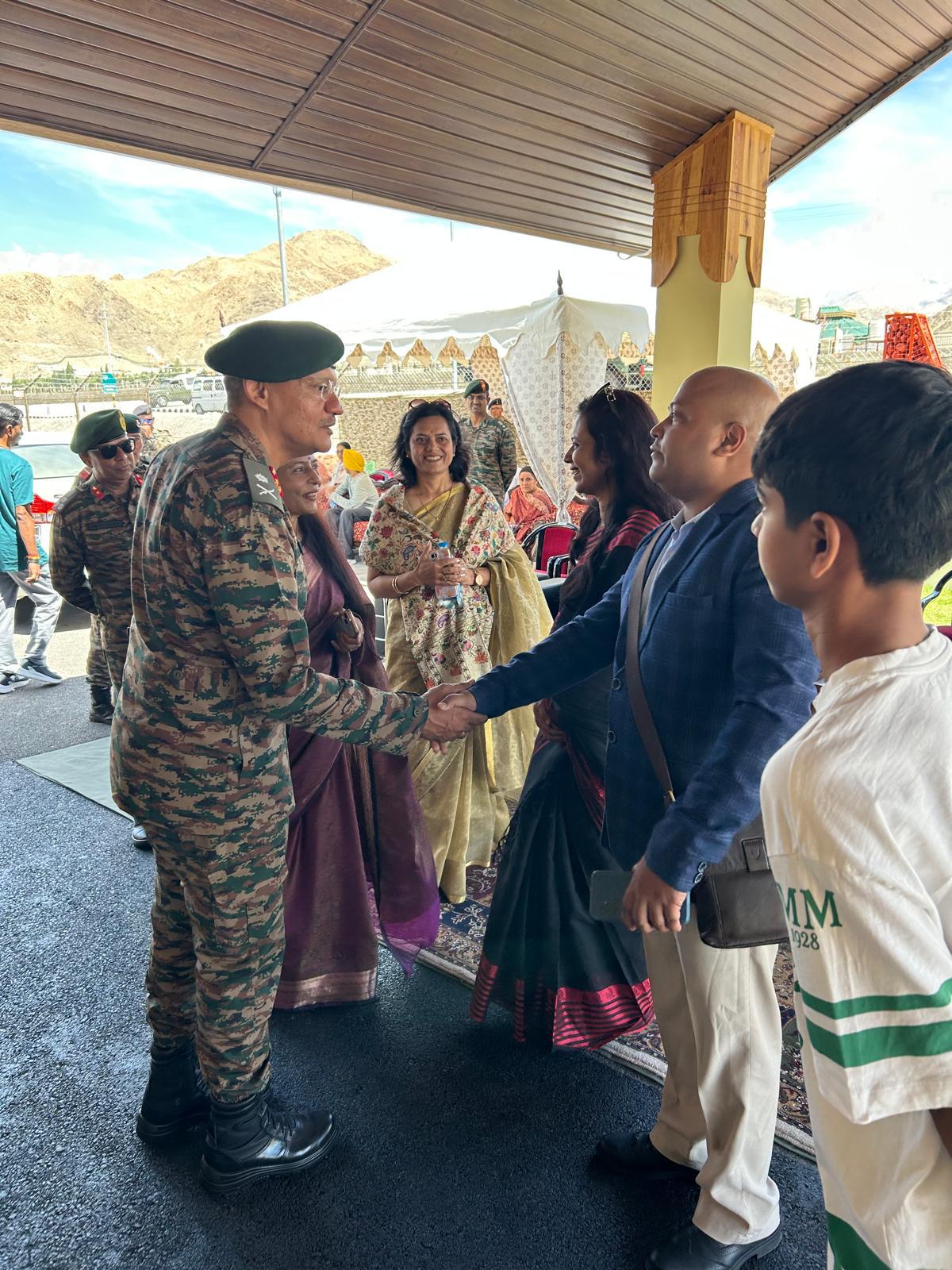
The proposal for the museum was taken forward by Lieutenant Colonel Sujit Bhosale (Retd.), who approached the Maharashtra Government for support. Adv. Minal Wagh Bhosale, BJP Nashik Vice President, was also specially invited to the inauguration.
The architectural design was undertaken free of cost by Prajakta Kalamkar of Pune and Akshay Lunawat of Nashik.
Museum designed in the shape of a Trishul
The museum has been designed in the shape of a Trishul, representing the identity of the Trishul Division.
The division is responsible for a strategically important frontier region where Indian soldiers operate under extremely difficult terrain, harsh weather conditions and constant security challenges.
A dedicated gallery narrates the story of the Galwan Valley clash and presents the courage and determination displayed by Indian soldiers.
Names of martyrs preserved for generations
One of the museum’s most significant features is a symbolic tree bearing the names of officers and soldiers who made the supreme sacrifice during various military operations.
Details of their acts of valour, military honours and operational contributions have been documented operation wise.
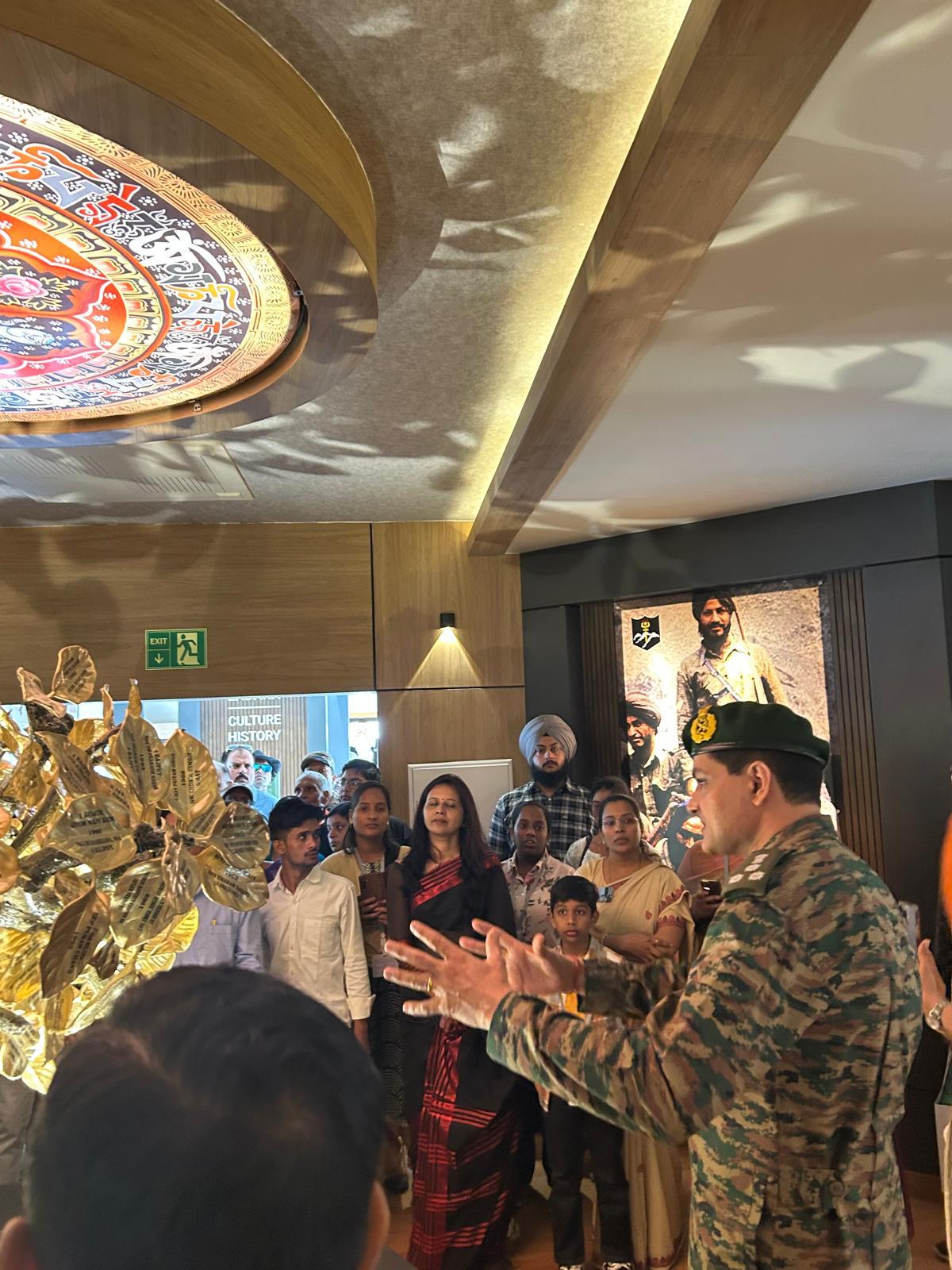
The museum also displays weapons, military vehicles and ammunition associated with various operations, tracing India’s military history from the first war with China to the present day.
Captured enemy equipment, weapons, ammunition, identity cards, letters exchanged between soldiers and their families, and communication equipment are also part of the exhibits.
A lasting tribute on Independence Day
The Trishul War Museum is more than a collection of military artefacts. It is a permanent record of courage, sacrifice and service to the nation.
For the families of the fallen soldiers, it provides a place where the memory of their loved ones will remain alive. For visitors, particularly young Indians, it offers an opportunity to understand the history of India’s armed forces and the extraordinary challenges faced by soldiers protecting the nation’s borders.
As India celebrates Independence Day, the Trishul War Museum sends a powerful message to the nation: the freedom we cherish is protected by the courage and sacrifice of those who stand guard at the frontiers.
From Maharashtra to Ladakh, this museum represents a lasting tribute to India’s soldiers and their supreme sacrifice.

Comments ( 0)
Leave a Comment
No comments yet. Be the first to comment!