
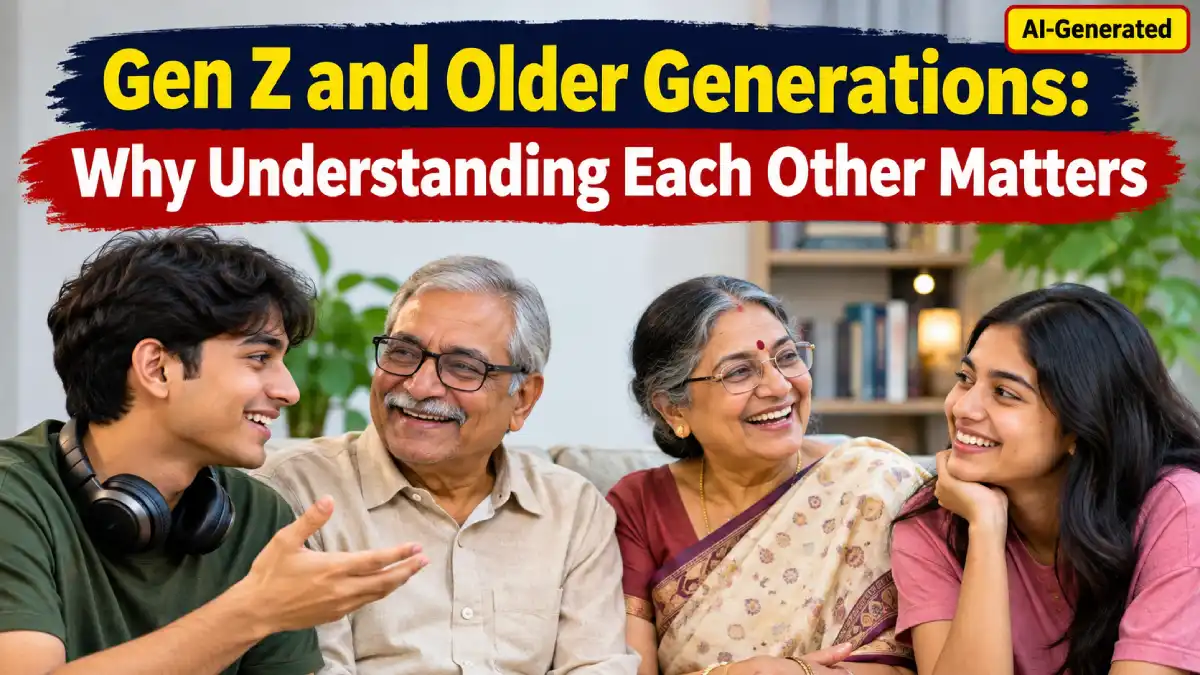
Every generation grows up in a different world, shaped by its own experiences, opportunities and challenges. The same is true of Generation Z, whose outlook on education, careers, relationships and social issues often differs from that of previous generations.
These differences sometimes create misunderstandings, with older people questioning the choices of young people and youngsters feeling that their ideas are not properly understood. However, an editorial discussion on the changing identity of Gen Z highlights the need to build a stronger connection between generations rather than allowing these differences to become a source of conflict.
The conversation around Gen Z is important because young people are not simply preparing to inherit the future; they are already influencing society, workplaces, technology and public discussions. Their expectations about employment, financial independence, personal freedom and social responsibility are changing.
At the same time, older generations carry valuable experience and knowledge that should not be ignored. The challenge is to bring these perspectives together, creating an environment where new ideas receive encouragement and experience continues to have a meaningful place.
Gen Z is often described as a generation that values independence, awareness and freedom of choice. Growing up with digital technology has given young people access to information, different cultures and opportunities that were less accessible to earlier generations.
Their understanding of careers, education and personal identity has also evolved. Many want meaningful work, professional flexibility and opportunities that match their interests and abilities rather than following traditional paths simply because society expects them to.
This does not mean that every young person thinks alike or that previous generations are unwilling to accept change. The differences are largely shaped by the circumstances in which people grow up. Older generations often make decisions based on financial security, social stability and lessons learned through experience. Younger people, meanwhile, are navigating a rapidly changing world where technology, social media and new career options influence everyday choices.
One major area where this generational difference becomes visible is employment. Traditional career paths are no longer the only option for young people. Digital businesses, technology-based professions, creative industries and new forms of work are creating opportunities that did not exist in the same way earlier. As a result, young people increasingly expect education and professional training to prepare them for changing market demands.
The editorial also draws attention to the importance of digital literacy. Although the internet provides access to enormous amounts of information, finding reliable facts and developing independent thinking remain essential skills. Young people need to understand not only how to use digital platforms but also how to assess information, recognise misinformation and participate responsibly in public discussions.
Another important issue is communication between generations. Older people have practical experience, social understanding and knowledge gained over many years. Gen Z brings fresh perspectives, technological familiarity and an ability to adapt to changing circumstances. Instead of comparing these strengths, families, educational institutions and workplaces should create opportunities for both sides to learn from each other.
Respecting traditions should not mean rejecting new ideas. Equally, embracing modern lifestyles should not require abandoning social responsibility, family values or cultural roots. Personal freedom and individual ambitions can exist alongside sensitivity towards family, society and the country.
India's young population represents an enormous opportunity, but turning that potential into meaningful progress requires quality education, skill development, employment opportunities and greater participation in decision-making. Young people should not be expected to take responsibility for the future alone; they also need opportunities to contribute to the present.
Ultimately, the identity of Gen Z will be shaped not simply by technology, language or lifestyle, but by the contribution its members make to society. A meaningful relationship between generations can develop when experience is respected, fresh thinking is encouraged and disagreements are handled through open conversation. Understanding Gen Z, therefore, should begin with a willingness to listen rather than judge.

Comments ( 0)
Leave a Comment
No comments yet. Be the first to comment!